Where to Stay in Pelling: Areas and Hotels Compared
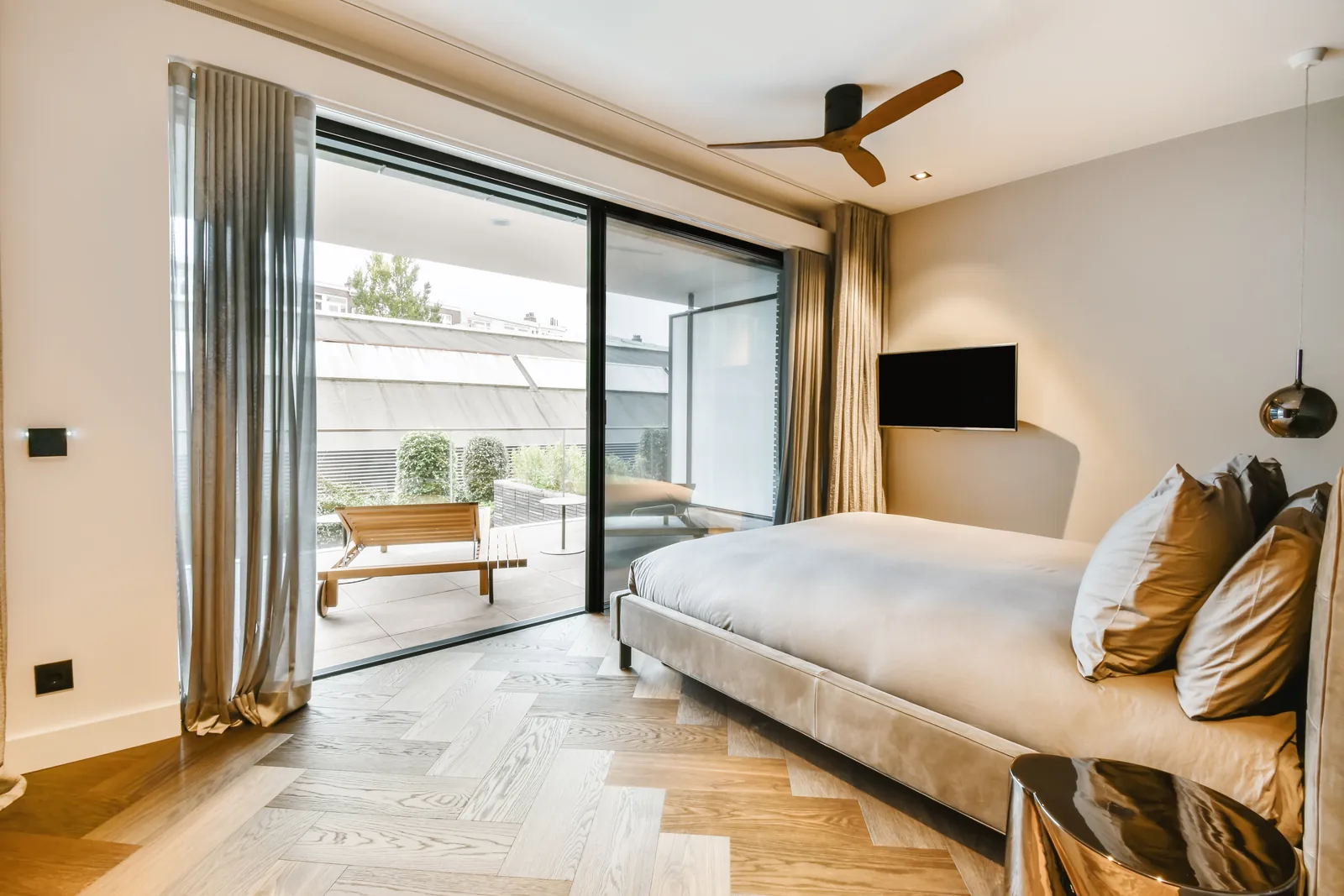
Upper Pelling is the easiest first choice for travellers who want restaurants, tour services and a chance of broad Kanchenjunga views. Lower Pelling can offer simpler road access and better value, while the Pemayangtse side suits travellers who prefer heritage atmosphere and proximity to the monastery and Rabdentse ruins. None of these areas guarantees a clear mountain view: cloud, season, room orientation and nearby buildings all matter.
Choose the area before comparing hotel photos. Pelling is a hillside destination, so a short map distance may involve a steep road or steps. Families and travellers with senior parents should prioritise vehicle access, lift coverage, heating and the exact bed configuration over a generic “mountain resort” label.
This independent guide uses official hotel and tourism sources checked on 24 September 2026. It does not claim a personal stay, quote volatile prices or rank properties by temporary review scores.
Pelling areas at a glance
| Area | Best for | Main compromise |
|---|---|---|
| Upper Pelling | First-time visitors, restaurants, tour arrangements and view-facing hotels | Steeper approaches and more visitor activity |
| Middle Pelling | A compromise between access, views and value | Hotel location matters more than the broad area label |
| Lower Pelling | Road access, quieter stays and value-led hotels | Less convenient for walking to Upper Pelling services |
| Pemayangtse/Rabdentse side | Heritage setting, monastery and ruins | Often better with a vehicle; fewer walk-out choices |
| Darap/Pelling–Rimbi Road | Retreat-style stays and western sightseeing routes | Not a central Pelling base |
| Yuksom | Trekking history and a separate West Sikkim experience | Should usually be treated as a split stay, not a Pelling neighbourhood |
Pelling is described by official Sikkim destination information as a hill town known for views of Khangchendzonga and access to Pemayangtse Monastery, Sanga Choeling Monastery and Rabdentse. That geography explains why the right hotel depends on the itinerary rather than star category alone.
Upper Pelling: the practical first-time base
Upper Pelling has the highest concentration of visitor-facing services. It is the most straightforward choice when you want to arrange local sightseeing, find several dining options and minimise the number of journeys needed for everyday tasks.
Many hotels advertise mountain views, but “Upper Pelling” does not guarantee an unobstructed outlook. Ask for a named view category, floor and direction. Request a recent unedited photo taken from the actual room type, not a rooftop or public terrace.
The area’s main trade-off is slope. A property can be close to a restaurant in a straight line yet awkward for a traveller with limited mobility. Confirm whether a normal vehicle reaches the entrance, how many steps lead to reception and whether the lift serves the assigned floor.
Choose Upper Pelling if: this is a short first visit, you want practical access to tour services, or you prefer having several restaurants nearby.
Consider another area if: quiet grounds, monastery access or a retreat atmosphere matters more than central convenience.
Middle Pelling: a location-by-location decision
Middle Pelling can offer a useful compromise, but the label is too broad to make the decision by itself. Some properties sit conveniently on the main road; others require a steep approach. View quality also varies with elevation and building orientation.
This area can work for travellers using a driver who want easier movement than an isolated resort without paying only for the Upper Pelling label. Ask the hotel to mark its entrance on a map and explain the route to the nearest restaurant, taxi point and Upper Pelling centre.
The best Middle Pelling booking is usually the one with a verified room layout and access route, not the one with the most dramatic marketing image.
Lower Pelling: value and road access
Lower Pelling often appears in official accommodation directories and can suit travellers prioritising road access and value. It may also feel less concentrated than Upper Pelling. The trade-off is greater dependence on a vehicle for restaurants, tour coordination and evening movement.
If a lower rate is the main attraction, add local transport to the comparison. A cheap room is not necessarily cheaper after multiple journeys uphill. Conversely, Lower Pelling can be the better decision for a driver-led itinerary when everyone prefers being dropped at the hotel entrance.
Ask about road condition during the intended season, parking or driver accommodation, dining hours and whether breakfast can be prepared before an early sightseeing departure.
Pemayangtse and Rabdentse: heritage over town-centre convenience
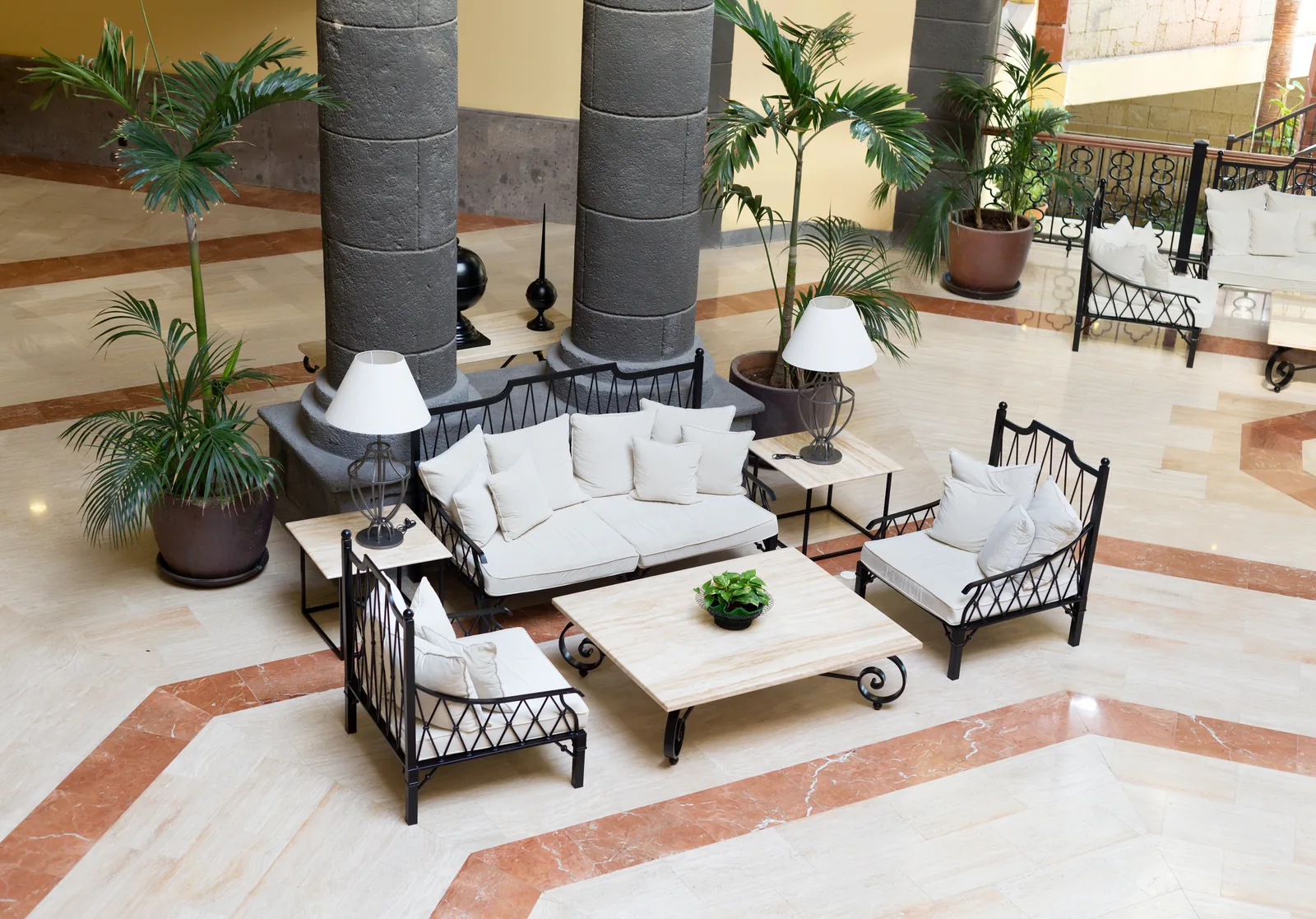
The area around Pemayangtse Monastery and Rabdentse appeals to travellers who want historical context, gardens and a quieter setting. Official destination sources identify Pemayangtse as close to Pelling and Rabdentse as the preserved ruins of Sikkim’s former capital.
This is not the same experience as walking out into Upper Pelling. A hotel here works best when the property atmosphere and nearby heritage sites are central to the trip. Confirm transport for dinner and other Pelling sights, especially after dark.
The Elgin Mount Pandim: heritage-resort choice
The Elgin Mount Pandim occupies eight acres of forest and landscaped gardens and traces its history to a royal retreat of the Sikkim royal family. The official site lists premium and deluxe cottages, suites and double/twin rooms. It also states that the hotel is heated in winter and that its rooms face the valley and Himalayas.
This is the clearest choice in the area for travellers who value heritage character and hotel grounds. Treat the view claim correctly: the property’s orientation can be excellent, while weather still determines visibility. Ask about the exact room building, steps, bathroom arrangement, heating hours and distance from reception and dining.
Best fit: couples, heritage-focused travellers and families wanting a property-led stay near Pemayangtse.
Main trade-off: less immediate access to Upper Pelling’s concentration of restaurants and services.
Darap and the Pelling–Rimbi Road: retreat-style stays
The road toward Darap and Rimbi suits travellers whose itinerary includes waterfalls, village experiences or a quieter retreat. It is not simply “Pelling centre with more space.” Transport becomes part of every day.
Sumitel Pelling places itself in the Darap area on Pelling–Rimbi Road and states distances to the Skywalk and Rabdentse. Use those figures as orientation, then verify real driving time and current road conditions for the travel month.
This type of location can be rewarding for a longer, slower stay. It is less suitable for travellers who want to choose a different central restaurant spontaneously each evening.
Summit hotels: verify the exact property
Summit Hotels & Resorts lists multiple properties in the Pelling market. The brand name alone is not enough to identify a hotel’s location, facilities or room types. Search and booking platforms can shorten names in ways that make two properties appear interchangeable.
Record the exact property name and address before paying. Then check whether the hotel is in Upper, Middle or Lower Pelling, whether a lift reaches the room, which categories have balconies and how a family is accommodated. Do not transfer claims from one Summit property to another.
Best fit: travellers who prefer a recognised regional brand and are willing to verify the precise property.
Main trade-off: brand-level search results can obscure meaningful location differences.
Local hotels and homestays: useful when verified carefully
The Pelling Tourism Development Association maintains a local directory and identifies accommodation around Upper Pelling, the old helipad and other nearby areas. The directory is useful for discovering smaller hotels and homestays that may not have strong international marketing.
Local accommodation can provide better value and more direct interaction with hosts, but evidence may be less standardised. Ask for current room photographs, bed sizes, private-bathroom confirmation, hot-water schedule, heating, power backup, meal availability and the exact map pin. Pay only through a channel you can verify belongs to the property.
Official registration lists can confirm that a name has appeared in the tourism system, but an old validity date is not proof of current operation or quality. Reconfirm registration and contact details for the booking year.
Pelling with children
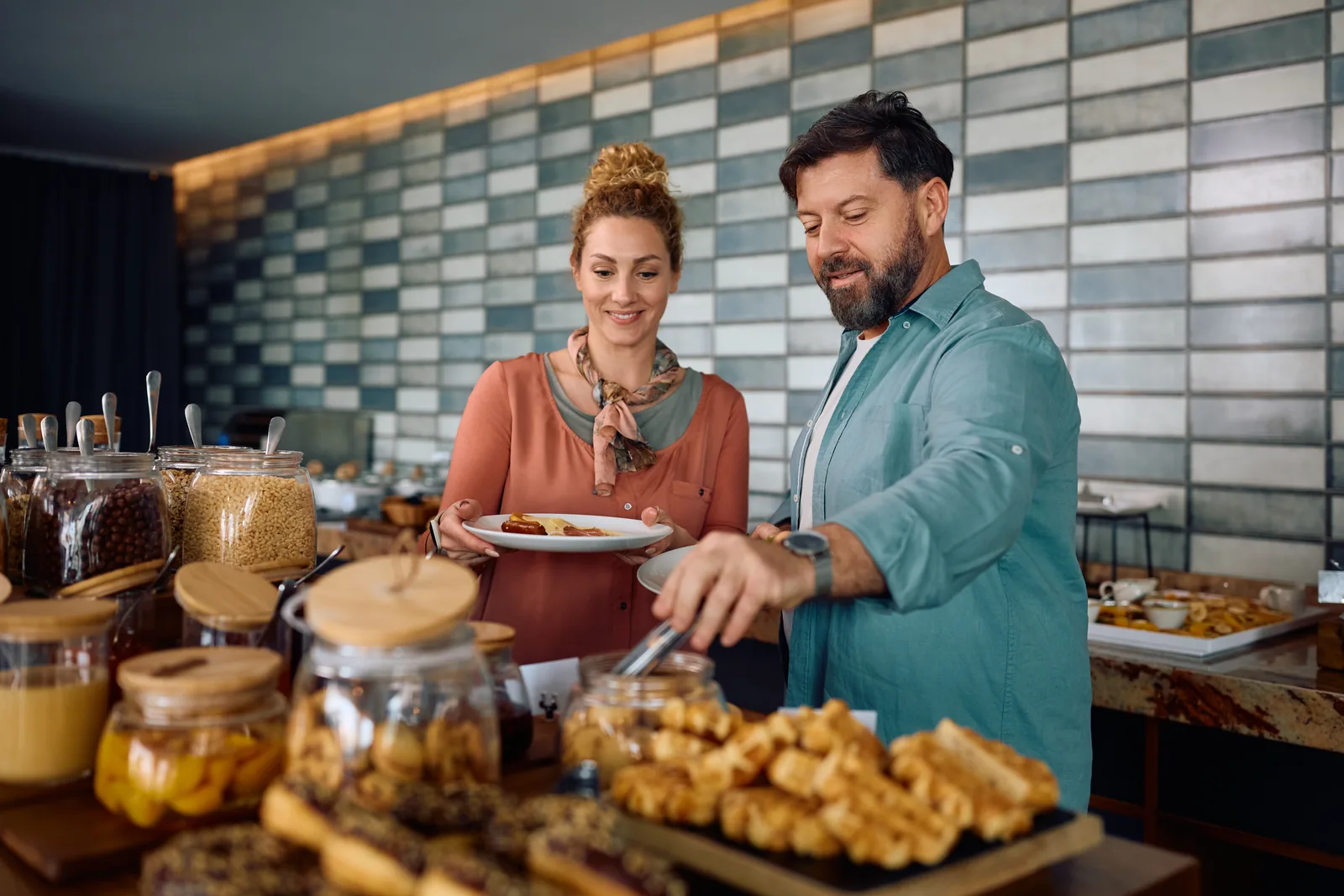
Pelling can work well for families when the hotel solves three practical issues: beds, warmth and vehicle access. A large-looking room may still contain only one double bed. Enter every child’s age and ask the hotel to state the permanent and extra beds in writing.
For a family stay, confirm:
- maximum occupancy for the selected category;
- cot or extra-bed size and charge;
- connecting rooms when one room is insufficient;
- balcony locks and railing design;
- hot-water availability;
- room heating and backup power;
- restaurant opening times and child-friendly meal options;
- the number of steps between drop-off, room and restaurant;
- travel time to the Skywalk and other planned stops.
A hotel with open grounds may be more enjoyable than a central building for young children, but only if transport logistics remain manageable.
Pelling with senior parents or reduced mobility
The steep terrain makes accessibility a booking criterion, not an afterthought. “Lift available” is incomplete information. Ask whether the lift begins at the vehicle drop-off level and whether steps remain on the route to the room or restaurant.
Request a room close to the lift or reception, but do not accept “subject to availability” when mobility depends on it. The property should confirm the assigned access arrangement. Also ask what happens during power cuts and whether staff can assist with luggage.
For sightseeing, plan realistic stops. Rabdentse involves walking through a landscaped approach, while monastery and viewpoint visits may include uneven surfaces. Hotel staff can explain transport, but the traveller should decide which walks match the group’s abilities.
Kanchenjunga views: what a hotel can and cannot promise
Pelling’s Himalayan outlook is a major reason to visit, but a hotel cannot control cloud or haze. The useful questions are:
- Is the booked category explicitly mountain-facing?
- Does the view come from the room, balcony or common terrace?
- Can another building or vegetation block lower-floor rooms?
- What direction does the room face?
- Is a specific view category written into the confirmation?
Sunrise visibility varies by season and day. Choose a room that remains comfortable even if the mountains never emerge during the stay.
Heating, hot water and monsoon conditions
Marketing pages often list Wi-Fi and television before operational details that matter more in the Himalayas. Ask how the room is heated, when hot water is available and which systems have backup power.
During wet periods, road conditions and landslide disruption can affect travel. Use current official tourism and local authority information near departure. A hotel’s reassurance is useful for its immediate access road but should not replace broader route advice.
Choose flexible cancellation terms when weather or road reliability is a material concern. Do not build a tight onward connection around the fastest advertised driving time.
How many nights should you stay?
Two nights can cover a compact Pelling sightseeing plan, but three nights provide more margin for weather, slower family travel and a better chance of a clear mountain view. A split with Yuksom is useful when trekking history and village atmosphere are separate priorities.
Yuksom is not simply another Pelling hotel area. Official Sikkim guidance treats it as its own destination with access via Pelling or Gyalshing. Moving hotels creates extra packing and road time, so split only when the Yuksom experience justifies it.
Compare the complete cost
Nightly prices change too quickly for a durable ranking. Compare the same basket:
- identical dates and guest ages;
- exact room and bed configuration;
- breakfast and dinner plan;
- taxes and mandatory charges;
- heating or extra-bed fees;
- driver costs and local transfers;
- cancellation flexibility;
- early breakfast or packed meals;
- a second room when family occupancy requires it.
A central room can reduce local transport. A retreat may justify a higher rate when meals and facilities are included. The correct comparison is the full itinerary cost, not the first number in a search result.
Booking checklist
- Choose Upper, Middle, Lower, Pemayangtse or Darap based on the daily route.
- Obtain the exact map pin and vehicle-access instructions.
- Confirm beds and occupancy using every guest’s age.
- Verify steps and lift coverage from drop-off to room.
- Book a named view category if the outlook affects the price.
- Ask about heating, hot water and backup power.
- Confirm breakfast timing and restaurant hours.
- Compare total costs under equivalent cancellation terms.
- Save the room description and written hotel reply.
- Recheck weather and road information shortly before travel.
Frequently asked questions
Is Upper or Lower Pelling better?
Upper Pelling is usually easier for a first visit and offers more visitor services. Lower Pelling can provide value and practical road access, but often requires more transport for restaurants and central facilities.
Which Pelling hotel is best for heritage?
The Elgin Mount Pandim has the clearest documented heritage identity and a setting near Pemayangtse. Verify the exact room location and accessibility before booking.
Can a hotel guarantee a Kanchenjunga view?
It can guarantee a mountain-facing room category, but not clear weather. Confirm the room orientation and ensure the stay still works if cloud blocks the peaks.
Is Pelling suitable for senior travellers?
Yes with careful planning. Vehicle access, steps, lift coverage and room proximity must be confirmed because the town is steep.
Should families stay in a hotel or homestay?
Hotels may offer more standardised services and access information. A verified homestay can provide local character and value. The better choice is the one that confirms beds, bathroom, heating, meals and access clearly.
Final verdict
Upper Pelling is the safest default for a short first stay. The Pemayangtse side and Elgin Mount Pandim suit a heritage-led trip, while Darap and the Pelling–Rimbi Road work for travellers deliberately choosing a retreat. Lower Pelling can offer value when a vehicle is already part of the itinerary.
Choose in this order: area, access, exact room, then price. That approach is more reliable than selecting the hotel with the clearest mountain photograph.
Sources and image disclosure
Destination and property claims were checked against the official Sikkim Tourism, Pelling Tourism Development Association and hotel sources linked above on 24 September 2026. Operations, roads, policies and room inventory can change. Planned images are licensed representative Himalayan and hotel visuals, not photographs of a named property unless explicitly verified.